
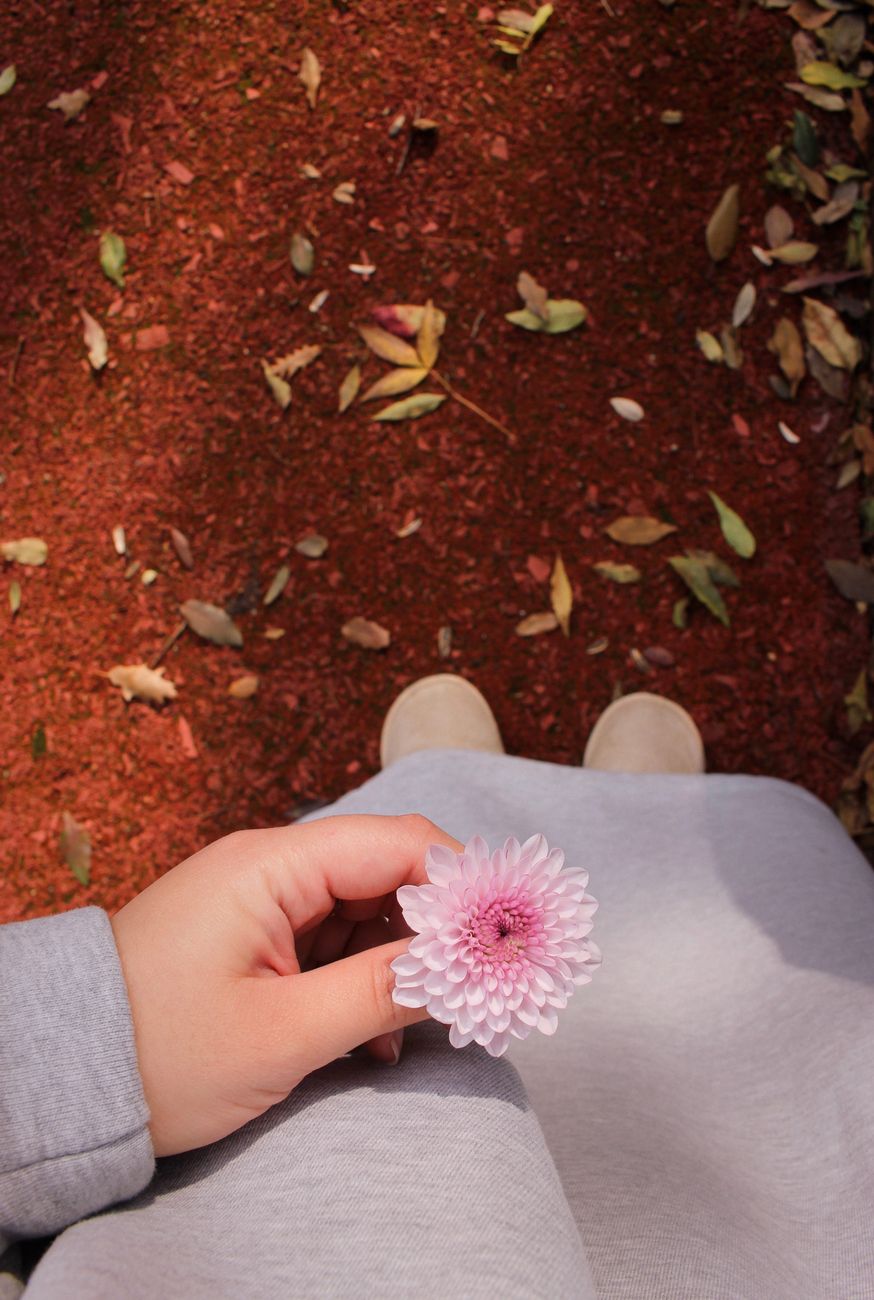
“We’re all so busy chasing the extraordinary that we forget to stop and be grateful for the ordinary.” ~ Brené Brown
Gratitude comes easily when life is going well. When relationships are fulfilling, work is progressing and things are falling into place, acknowledging our blessings feels effortless. But what happens when life doesn’t feel that way? When you are dealing with disappointment, uncertainty, heartbreak, loneliness, or simply feeling emotionally exhausted?
How do you practise gratitude when your heart feels heavy?
I believe gratitude is one of the most powerful practices for emotional and spiritual well-being. However, we need to understand it beyond the conventional advice of looking at the bright side or counting our blessings.
Gratitude is not about pretending that everything is okay when it isn’t. It is about learning to recognise that even when some aspects of life are difficult, there may still be things worth appreciating.
Here are a few ways to cultivate gratitude without invalidating your emotions:
How to Practice Gratitude Even When Life Doesn’t Feel Great
1. Allow yourself to feel what you feel
One of the biggest misconceptions about gratitude is that being grateful means you shouldn’t feel sad, frustrated or disappointed. We sometimes tell ourselves that others have it worse or that we should focus on the positives instead of dwelling on our problems. But gratitude should never become a reason to suppress our emotions. You can appreciate your family and still feel lonely. You can be grateful for your career and still feel unfulfilled. You can love your life and still wish certain things were different.
Emotional well-being begins with acknowledging our experiences rather than judging ourselves for having them.
Instead of telling yourself, “I shouldn’t feel this way,” try saying, “I acknowledge that this is difficult, and I am allowed to feel what I feel. I am also open to recognising what is still good in my life.”
Gratitude and emotional honesty can coexist.
2. Appreciate what you have instead of postponing happiness
We often make happiness conditional. We tell ourselves that we will be grateful when we find the right partner, earn more money, achieve our goals or finally have the life we envision. But life rarely unfolds according to a perfect checklist. There will always be another goal to achieve or another desire to fulfil.
The practice of gratitude invites us to shift our attention from what is missing to what is already present. Perhaps you haven’t reached your professional goals, but you have opportunities to learn and grow. Perhaps you don’t have the relationship you desire, but you have people who genuinely care about you.
This doesn’t mean giving up on your aspirations. It simply means not allowing the life you are waiting for to make you blind to the life you are living.
3. Start with small moments of gratitude
Psychologist and gratitude researcher Dr. Robert A. Emmons describes gratitude as “an affirmation of the goodness in one’s life” and recognising that much of this goodness comes from sources beyond ourselves. This is a beautiful way to understand gratitude. It encourages us to become aware of the people, experiences and little moments that contribute to our well-being.
When life feels overwhelming, finding big reasons to be grateful can seem difficult. Instead, begin with the little things. The warmth of your morning tea or coffee, a comforting conversation, a beautiful sunset, a meal that nourishes you, or simply the comfort of your bed after a tiring day.
These moments may seem insignificant, but consciously noticing them can help us shift our attention from everything that is going wrong to what is still bringing us comfort.
You don’t have to feel overwhelmingly happy. Sometimes, simply pausing to appreciate a small moment is enough.
4. Be grateful to yourself
We are often taught to express gratitude for people, relationships, opportunities and experiences. But how often do we appreciate ourselves? Think about everything you have navigated emotionally. The disappointments you have processed, the difficult decisions you have made, the boundaries you have learnt to establish and the days you found the strength to keep going despite feeling low. Maybe you haven’t reached where you want to be, but look at how far you have come.
Take a moment to acknowledge your resilience. Tell yourself, “I am grateful for the strength I have developed, the lessons I have learnt and my willingness to keep growing.”
You are also someone who deserves appreciation for the way you show up in your own life.
5. Find gratitude in growth, not necessarily in pain
Not every painful experience needs to be justified, and not every difficult situation needs to be called a blessing. However, with time and reflection, we may recognise the wisdom and strength we have developed through our experiences.
Psychiatrist Viktor Frankl, in his book Man’s Search for Meaning, reminds us: “When we are no longer able to change a situation, we are challenged to change ourselves.”
A difficult relationship may have taught you the importance of boundaries. A professional setback may have helped you reconnect with your values. A period of loneliness may have encouraged you to develop a deeper relationship with yourself.
You don’t have to be grateful for being hurt. You can be grateful for the person you are becoming despite what happened. There is a difference between romanticising suffering and recognising personal growth.
6. Make gratitude a daily moment of connection
Gratitude doesn’t have to be an elaborate ritual. It can simply be a few minutes of reflection before going to sleep.
Ask yourself three questions:
- What was one thing that brought me comfort today?
- What did I do today that I can appreciate myself for?
- What is one thing I can release instead of carrying into tomorrow?
Even on a difficult day, you may find one moment of comfort, one reason to appreciate yourself and one emotional burden you are ready to put down.
Remember, the purpose is not to turn gratitude into another task you must perform perfectly. It is to cultivate a gentler relationship with yourself and your life.
The gentler, deeper meaning of gratitude
I believe gratitude is less about having a perfect life and more about developing the ability to recognise the value of life, even when it is imperfect. It is about understanding that we can experience sadness without becoming sadness, face uncertainty without losing hope, and acknowledge what is missing without overlooking what is present.
So, if you are going through a difficult phase, don’t force yourself to find a silver lining in every cloud. Cry if you need to, rest if you are exhausted and work towards changing what is within your control.
When you are ready, gently notice the little things that are still supporting you.
Gratitude is not a demand to be happy with everything life gives you. You don’t need to be grateful for your entire life today. Just find one thing that makes this moment a little easier to hold.
Because sometimes, gratitude doesn’t immediately change what is happening around us. It changes the way we relate to what is happening within us.
And that, in itself, can be a beautiful start to healing deeply.
What are you grateful for today?

If you’d like 1-on-1 counseling sessions and spiritual guidance with me, come on over here.
Thank you SO much for your presence here! I appreciate it! If you’re NEW here, please subscribe for free updates and special gifts by Email. I publish New mental health, emotional healing, and spiritual growth articles every week!


What a beautiful and insightful perspective on gratitude. Thank you Zeenat.